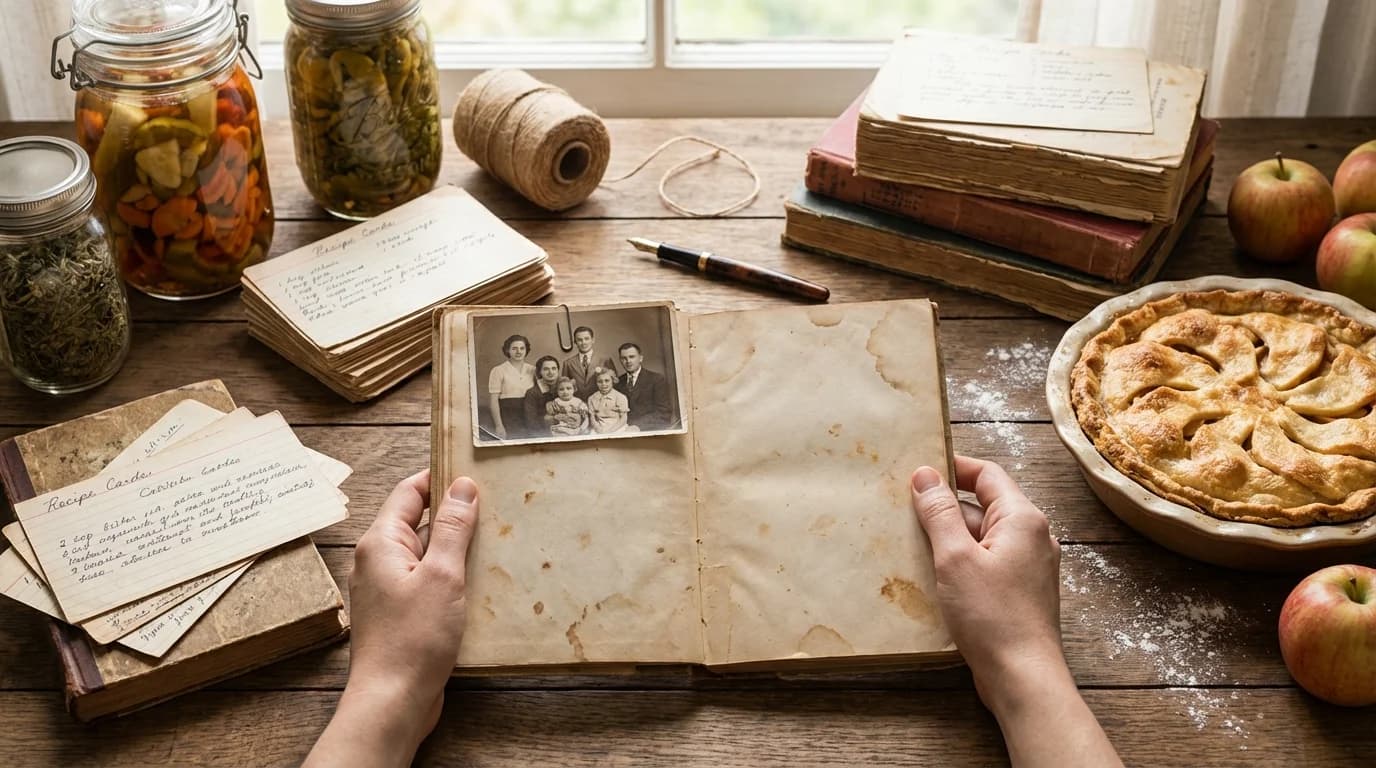
Last year, my aunt discovered her grandmother's recipe box in her attic. The box itself was in decent shape, but inside was heartbreak: recipe cards destroyed by moisture, ink so faded it was barely readable, and some cards literally falling apart when touched. Decades of family culinary history, damaged possibly beyond recovery.
This doesn't have to happen. Heirloom recipes are irreplaceable treasures that deserve proper preservation. Whether you've inherited a collection or are stewarding one for future generations, this guide will show you exactly how to protect these precious pieces of family history.
Understanding What You're Preserving
Heirloom recipes are more than food instructions—they're artifacts.
Why Heirloom Recipes Are Valuable
Historical Significance: These recipes document your family's:
- Immigration journey
- Regional food traditions
- Economic circumstances
- Cultural heritage
- Daily life across generations
Irreplaceable Nature: Unlike published cookbook recipes:
- Handwriting is unique and personal
- Modifications show family preferences
- Notes reveal personality and priorities
- Original cards/books can never be replaced
- Context is often lost with the person who created them
Tangible Connection: Physical recipe cards offer:
- Direct link to deceased relatives
- Actual paper they touched
- Handwriting that evokes their presence
- Stains and wear that tell stories
- Sensory connection to the past
This understanding should inform every preservation decision: you're not just saving recipes, you're protecting artifacts.
Immediate Assessment and Triage
When you first acquire heirloom recipes, assess them quickly.
Condition Evaluation
Excellent Condition:
- Clearly readable
- No physical damage
- No fading or discoloration
- Structurally sound
Fair Condition:
- Some fading but readable
- Minor staining or wear
- Edges slightly worn
- Still intact but showing age
Poor Condition:
- Significant fading (hard to read)
- Tears, holes, or missing pieces
- Water damage or staining
- Brittle or crumbling
- Mold or mildew presence
Critical Condition:
- Barely readable
- Falling apart when touched
- Severe damage
- Active deterioration
- Immediate intervention needed
Priority Actions
For Critical Condition Items (Do immediately):
- Photograph or scan at highest quality
- Transcribe text before it becomes illegible
- Separate from other items to prevent damage spread
- Place in protective enclosure
- Consider professional conservation if extremely valuable
For All Heirloom Recipes (Do within first week):
- Photograph everything (front and back of cards)
- Create digital backup
- Move to appropriate storage conditions
- Create inventory list
- Begin proper preservation plan
Don't delay on critical items—every day increases deterioration risk.
Archival Storage for Physical Recipes
Proper storage is the foundation of preservation.
Environmental Conditions
Temperature:
- Ideal: 65-70°F (18-21°C)
- Avoid: Attics (too hot), basements (too variable)
- Consistency matters more than exact temperature
- Avoid areas with temperature fluctuations
Humidity:
- Ideal: 30-50% relative humidity
- Too high: Encourages mold, warping, deterioration
- Too low: Paper becomes brittle and cracks
- Use dehumidifiers or humidity packs as needed
Light:
- Store in darkness when possible
- Light (especially UV) fades ink and damages paper
- If displayed, use UV-protective glass
- Rotate displayed items periodically
- Never store in direct sunlight
Air Quality:
- Good ventilation prevents mold
- Avoid areas with cooking fumes or smoke
- Keep away from chemicals, cleaning products
- Dust regularly but gently
Archival-Quality Materials
What to Use:
Page Protectors:
- Acid-free, lignin-free plastic sleeves
- Polyester, polypropylene, or polyethylene (check labels)
- Avoid PVC (damages documents over time)
- Choose appropriate size (4x6", 3x5", etc.)
Storage Boxes:
- Acid-free boxes specifically for archival storage
- Lignin-free cardboard
- Metal boxes (archival quality) also work
- Ensure proper fit (not too tight, not too loose)
Dividers and Supports:
- Acid-free cardboard dividers
- Unbuffered materials for color photographs
- Buffered materials for paper documents
Recipe Box Preservation: If the original box has sentimental value:
- Clean gently with dry soft cloth
- Protect from humidity and pests
- Consider displaying box with reproduction cards
- Store original cards in archival materials inside
What to Avoid
Damaging Materials:
- Regular plastic bags or sleeves (not archival safe)
- Rubber bands (deteriorate and damage)
- Paper clips (rust and create pressure marks)
- Adhesive tape of any kind (damages and stains)
- Sticky notes (adhesive damages paper)
- Non-archival photo albums
- Cardboard boxes (unless specifically archival quality)
Physical Handling Best Practices
Before Handling:
- Wash and dry hands thoroughly (or wear cotton gloves)
- Clear, clean workspace
- Avoid eating or drinking nearby
- Have archival materials ready
While Handling:
- Touch only edges when possible
- Support entire card (don't let it bend)
- Work on clean, dry surface
- Keep one item out at a time
- Be gentle with brittle or damaged items
- Never force cards into sleeves
After Handling:
- Return items to protective storage immediately
- Reseal containers properly
- Return to climate-controlled location
- Update inventory if needed
Digital Preservation: Creating Permanent Backup
Physical preservation protects the original; digital preservation ensures the content survives.
High-Quality Imaging
Scanning:
- Resolution: 600 DPI minimum for heirloom items
- Color mode: Color, even for black and white recipes (captures aging, stains, paper tone)
- File format: TIFF for archival master, JPEG for use copies
- Settings: Highest quality, no compression for masters
Photography: If scanning isn't available:
- 12+ megapixel camera or smartphone
- Natural, indirect light
- Neutral background (white or light gray)
- Camera directly overhead (avoid angle distortion)
- Take multiple shots to ensure clarity
- Photograph front and back of each card
File Organization and Naming
Folder Structure:
Heirloom Recipes/
├── Masters (high-resolution originals)/
│   ├── Grandma Smith Collection/
│   ├── Great-Aunt Marie/
│   └── Mom's Recipe Box/
├── Use Copies (web/print quality)/
└── Transcriptions (typed versions)/
File Naming Convention: Be consistent and descriptive:
LastName_RecipeName_Date_Front.tif- Example:
Smith_ApplePie_1952_Front.tif - Include "Front" and "Back" for cards
- Add date if known or estimated
- Avoid special characters in filenames
Metadata and Documentation
Embed Information: Modern file formats allow embedded metadata:
- Creator name
- Date created/acquired
- Description
- Copyright status
- Keywords for searching
Separate Documentation File: Create a text file or spreadsheet with:
- File name
- Recipe name
- Source (person who owned it)
- Approximate date of creation
- Physical condition notes
- Any known history
- Current physical location
This ensures information isn't lost even if file metadata is stripped.
Backup Strategy
Follow the 3-2-1 rule:
3 Copies:
- Original files on your computer
- First backup (external hard drive)
- Second backup (cloud or different location)
2 Different Media Types:
- Computer hard drive
- External SSD or hard drive
- Cloud storage (Google Drive, Dropbox, iCloud)
- DVD/Blu-ray (less reliable long-term)
1 Copy Off-Site:
- Cloud storage fulfills this automatically
- Or physical backup at different location (family member's house, safe deposit box)
- Protects against fire, flood, theft
Backup Schedule:
- Immediately after digitizing: Create all backups
- Monthly: Verify backup integrity
- Quarterly: Create new backup of any additions
- Annually: Refresh external media (hard drives age)
Long-term Digital Preservation
File Format Considerations:
- Use standard formats (JPEG, TIFF, PDF)
- Avoid proprietary formats
- Consider format migration as technology evolves
- Keep original format masters even when creating new formats
Platform Choice: For transcribed recipes, use platforms with longevity:
- myrecipe.app - Recipe-specific with export options
- Plain text files - Readable forever
- PDF - Universal standard
- Avoid formats tied to specific software versions
Transcription and Documentation
Creating typed versions enhances preservation and usability.
When and How to Transcribe
Why Transcribe:
- Makes recipes searchable
- Preserves content if original becomes unreadable
- Allows use while protecting original
- Enables sharing with family
- Creates usable cooking versions
Transcription Best Practices:
- Type exactly what's written initially
- Preserve original spelling, measurements, language
- Add clarifications in brackets: "cook until done [approximately 30 minutes]"
- Note illegible portions: "[word unclear]"
- Include margin notes and modifications
- Maintain original formatting when possible
Enhanced Transcriptions: Add valuable context:
- Source information (who wrote it, when, where from)
- Historical notes
- Testing results if you've made the recipe
- Modern equivalents for obsolete ingredients
- Metric conversions if needed
- Stories and memories associated with recipe
Linking Physical and Digital
Create Connections:
- Reference digital file names in physical inventory
- Note physical location in digital files
- Use consistent naming across systems
- Consider QR codes on physical storage linking to digital files
- Cross-reference in family recipe collection platform
Restoration and Repair
Some heirloom recipes need intervention.
DIY Restoration (Simple Issues)
Surface Cleaning:
- Use soft brush to remove dust (photographers' brush works well)
- Gently brush away debris
- Never use water or cleaning products
- Work over clean white surface to catch any fallout
Flattening Bent Cards:
- Place between acid-free tissue or blotting paper
- Weight with heavy book
- Leave for 24-48 hours
- Don't force severely brittle items
Minor Tear Repair:
- Use archival repair tape specifically designed for documents
- Apply to back side when possible
- Don't use regular tape (will damage over time)
- Consider whether repair is necessary or if protective sleeve is sufficient
When to Consult Professionals
Professional Conservation Needed For:
- Severe water damage
- Mold or mildew (health hazard if handled improperly)
- Extremely fragile items
- Very valuable or rare recipes
- Items you're unable to read or handle safely
Finding Conservators:
- American Institute for Conservation (AIC) directory
- Local historical societies may have recommendations
- University special collections departments
- Professional genealogists may have contacts
Cost Considerations: Professional conservation is expensive ($100-500+ per item) but may be worth it for irreplaceable pieces.
Creating Working Copies
Protect originals by creating versions for actual use.
Methods for Working Copies
Laminated Cards:
- Print transcribed recipes on cardstock
- Laminate for spill protection
- Use while cooking
- Feels similar to original cards
Recipe Binder:
- Print recipes with photos of originals
- Place in page protectors
- Organize by category
- Keep in kitchen for regular use
Digital Versions:
- Use myrecipe.app or similar platform
- Access on tablet while cooking
- Easily scalable and searchable
- Share with family
- Link to photos of original cards
Printed Cookbook:
- Create beautiful printed family cookbook
- Include photos of original cards
- Add stories and context
- Give to family members
- Original heirloom recipes stay safely stored
Sharing Without Risking Originals
Family members want access but originals should never circulate.
Safe Sharing Strategies
Digital Access:
- Create shared digital collection
- Everyone gets access to scans and transcriptions
- Originals never leave protective storage
- Updates benefit everyone
Reproductions:
- Print copies for family members who want them
- Create recipe cards from digital scans
- Make small cookbooks as gifts
- Clearly mark as reproductions
Controlled Access to Originals: If someone must see originals:
- Supervised viewing only
- Proper handling instruction
- Photography allowed but not removal
- Schedule viewing in appropriate environment
Creating Family Repository:
- One person serves as "keeper" of originals
- Proper storage and preservation
- Digital versions available to all
- Consider rotating keeper role to next generation with proper training
Preservation Schedule
Ongoing care maintains preservation.
Monthly Check (15 minutes)
- Visual inspection of storage area
- Check humidity and temperature if monitoring
- Look for signs of pests or mold
- Ensure containers remain sealed
- Verify backup drives are still functioning
Quarterly Review (1 hour)
- Remove items and inspect for changes
- Clean storage area
- Update inventory if needed
- Create backup of any new digital items
- Share new additions with family
Annual Preservation Day (Half day)
- Complete inventory check
- Test all digital backups
- Refresh external hard drive backups
- Review and update preservation plan
- Consider additional items that need digitization
- Update family on collection status
Teaching the Next Generation
Preservation is multigenerational work.
Involving Family in Preservation
Share the Why:
- Explain importance of these recipes
- Tell stories connected to them
- Show them the originals (with proper care)
- Make them feel responsible for legacy
Teach Proper Handling:
- Demonstrate correct technique
- Supervise first attempts
- Explain why preservation matters
- Make it special, not burdensome
Create Roles:
- Photographer/scanner
- Transcription helper
- Story collector
- Digital organizer
- Backup manager
Plan Succession:
- Identify next keeper of originals
- Train them in preservation techniques
- Ensure they understand importance
- Document current storage and backup systems
Special Considerations
Very Old Recipes (100+ years)
Extra Precautions:
- May be extremely fragile
- Ink types may be unstable
- Paper quality varies widely
- Consider professional assessment
- Highest priority for immediate digitization
Recipes on Unusual Media
Newspaper Clippings:
- Highly acidic, deteriorates quickly
- Separate from other items
- Digitize immediately
- Store in acid-free enclosures
- Consider deacidification treatment
Cookbook Pages:
- If torn from book, flatten and protect
- Note cookbook source if known
- May need different size page protectors
Postcards or Letters:
- Both sides may have content
- Scan/photograph both sides
- Note postmark dates
- Handle gently (old adhesive can be sticky)
Recipe Books and Notebooks
Bound Collections:
- Don't force open if tight binding
- Support properly when scanning (book cradle or support)
- Consider professional scanning for valuable items
- Store flat or upright (not leaning)
- Protect covers as well as pages
Common Preservation Mistakes
Avoid these pitfalls:
Mistake: Displaying originals
- Reality: Light and air exposure cause damage
- Solution: Display high-quality reproductions
Mistake: Using original cards while cooking
- Reality: Spills, heat, moisture cause irreversible damage
- Solution: Always use copies for actual cooking
Mistake: Storing in kitchen
- Reality: Humidity, temperature swings, and grease damage recipes
- Solution: Store in climate-controlled area away from kitchen
Mistake: Waiting to digitize
- Reality: Deterioration accelerates; people who can explain them pass away
- Solution: Digitize immediately upon acquisition
Mistake: Only one backup
- Reality: Single point of failure
- Solution: Multiple backups in different locations
Mistake: "Fixing" or modernizing originals
- Reality: Original document is altered forever
- Solution: Preserve as-is, create separate updated version
The Emotional Aspect
Heirloom recipes carry emotional weight.
Grief and Loss
If these recipes are from deceased loved ones:
- Preservation can be healing
- Work at your own pace
- It's okay to feel emotional
- Consider having support while working with them
- The project honors their memory
Family Dynamics
Heirloom recipes can trigger conflicts:
- Who gets the originals?
- Who has authority to share them?
- What if someone wants to take them?
Solutions:
- Designate one keeper with proper storage
- Everyone gets digital access
- Create reproductions for those who want physical copies
- Consider legal documentation if collection is extremely valuable
- Open communication about plans and access
Your Preservation Action Plan
This Week
- Assess condition of your heirloom recipes
- Move them to better storage if needed
- Photograph or scan the most fragile items
- Create first backup
This Month
- Complete digitization of all items
- Set up proper archival storage
- Create working copies for cooking
- Begin transcription project
- Set up digital organization system
This Year
- Full preservation system in place
- All items protected and backed up
- Family members have access to digital versions
- Maintenance schedule established
- Next generation trained
- Consider creating family cookbook
The Legacy You're Protecting
Heirloom recipes are irreplaceable links to your past. That faded recipe card in your grandmother's handwriting is more than instructions for making pie—it's her voice, her hands, her love made tangible. When you preserve it properly, you ensure that voice continues to speak to generations not yet born.
This work matters. Every recipe you protect, every story you capture, every careful backup you create is an act of love that extends through time.
Start today. Your ancestors' culinary legacy—and your descendants' heritage—depend on it.
Ready to create a digital home for your heirloom recipes alongside modern preservation? Try myrecipe.app for free and build a comprehensive family recipe collection that honors the past while embracing the future.
About myrecipe
myrecipe helps families save, organize, and share their favorite recipes in one place. Plan meals, create shopping lists, and preserve your culinary traditions.
Start Organizing Recipes